You can start hockey as an adult
Most adults who take up ice hockey go from their first skate to their first league game in six months to a year: learn to skate, take an adult learn-to-play program, skate a few drop-ins, then join a novice division. Adult recreational hockey is built for exactly this. Every rink with an adult program has a bottom division full of people who started at 30, 40 or 50, and nobody there expects you to have played as a kid.
This guide is the path from never having held a stick to a regular spot on a team. If you want to know what adult rec hockey is first, how a season works and what it costs, start with What Is Beer League Hockey? and come back.
Step 1: Learn to skate before anything else
Skating is the whole game. Stickhandling, passing and shooting all come later and come faster once you can stop, turn and skate backwards without thinking about it. Adults who try to learn everything at once usually end up learning none of it.
- Adult learn-to-skate classes. Most rinks run them in the evenings, in groups, for six to ten weeks. Ask for the hockey-skate class if there is one, since figure skates have a toe pick and teach a different stride.
- Public skating sessions. Cheap ice time to practice between classes. Go early on a weekday when the rink is empty.
- What to aim for. Forward crossovers both ways, a hockey stop on both sides, and skating backwards in a straight line. Most adults get there in two to four months of weekly practice.
Step 2: Join an adult learn-to-play program
Adult learn-to-play programs are the bridge between skating and games. Rinks and national hockey federations run them for players 18 and up with no experience required, usually one session a week for eight to twelve weeks. You learn positioning, passing, shooting and the rules, then finish with scrimmages against people at exactly your level.
Two things make them worth it. Many include loaner gear for the first sessions, so you can find out whether you love the sport before buying anything. And the people in your program are your future teammates: whole novice teams form out of a single learn-to-play group.
Step 3: Get the gear, used is fine
A full set of skater equipment, head to toe:
- Helmet with a full cage or visor, certified for hockey
- Skates, fitted at a hockey shop
- Neck guard and a mouthguard
- Shoulder pads and elbow pads
- Gloves
- Hockey pants (breezers) and a protective cup or jill
- Shin guards, hockey socks and a garter or velcro to hold them
- A stick cut to about chin height in skates, and tape
- A bag that you will never fully air out
Spend money on two things: skates that fit and a helmet that is certified and not expired. Everything else can be secondhand from a used sports store or a local buy-and-sell group, and adult beginners rarely need more than mid-range gear. Rough costs for a full new or used setup are in the beer league cost breakdown.
Step 4: Skate drop-ins and stick and puck
Between the program and a league, get as much ice as you can without the pressure of a scoreboard.
- Stick and puck. Open ice where you practice alone with a stick and puck. The best way to build stickhandling and shooting.
- Beginner drop-in. Many rinks run a novice or "rookie" drop-in where skaters split into two teams on the spot. No standings, no pressure, and the fastest way to learn how a shift feels.
- Pickup games. Once you are comfortable at the beginner drop-in, the regular pickup skate is where you meet the captains who sign new players.
Pickup and drop-in games in your area are listed on Find a Game.
Step 5: Pick your first division honestly
Your first league should be the lowest division your rink offers, usually called D, E, novice, rookie or bronze. It will feel slow for a week and exactly right after that. Registering a division too high is the most common beginner mistake: you spend the season chasing the puck, your team loses, and nobody enjoys it. Moving up after a good season is easy and welcome.
Every rink names its divisions differently. The skill levels guide translates the systems and helps you place yourself.
Step 6: Find a team, or join as a free agent
You do not need to know anyone. Three ways in, from easiest to hardest:
- A draft league. You sign up alone and the organizer builds balanced teams from the individual sign-ups. Made for newcomers. How draft leagues work.
- A free agent listing. Most rinks keep a free agent list for captains who are short, and you can create a player profile with your position, level and home rink so captains who need you can find you.
- A team that is recruiting. Browse teams recruiting near you and message the captain, or check the leagues accepting individual sign-ups. Say honestly that you are new; novice teams want players who show up, not players who are good.
Your first game: what to expect
Before the puck drops
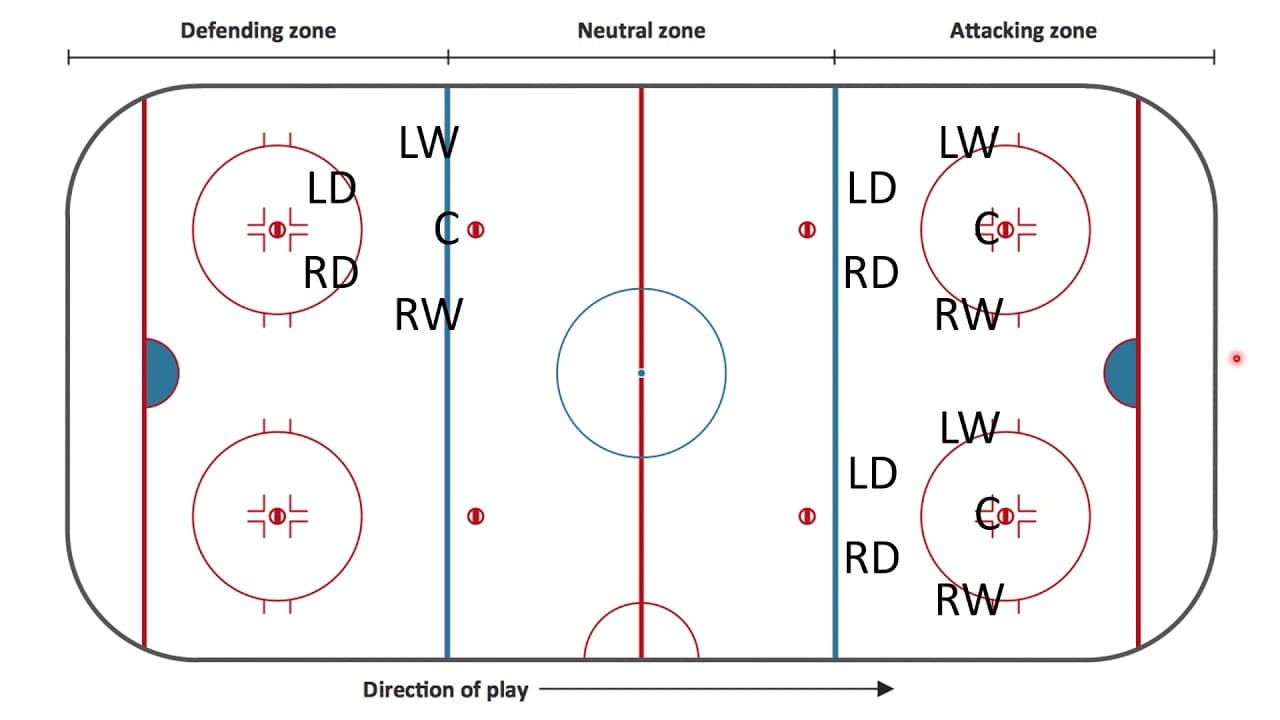
Arrive 30 minutes early, find the locker room, and tell the captain it is your first game. You will be handed a jersey and probably a position. Beginners usually play wing, where the job is simplest: stay on your side, get back when the puck goes the other way.
Shifts
Shifts are short, 60 to 90 seconds, and you change "on the fly" while play continues. Come off when you are tired, not when you are exhausted. Nothing earns goodwill on a bench faster than short shifts.
Mistakes
You will fall, miss passes and lose the puck. So will everyone else in the division. Nobody remembers it by the time the locker room opens.
After the game
The locker room is where you become part of the team. Stay for a drink, learn names, and ask who else is looking for a skate on the weekend. The unwritten rules of the room are in Beer League Hockey Rules and Etiquette.
Coming back after years away
If you played as a kid and stopped, you are not a beginner, but you are not the player you were either. Returners do best with a few public skates to find their legs, a drop-in or two, and a division one step below where their memory says they belong. The hands come back in weeks. The legs and the lungs take a season. Check your old gear before the first skate: helmets and skates wear out even when nobody is using them.
Staying healthy
- Warm up. Five minutes of skating and stretching before the game prevents most of the groin and hip strains adult players pick up.
- Build some conditioning. A weekly run or bike ride makes the third period much more fun. Hockey is short sprints, so intervals beat long slow cardio.
- Wear all of it. Mouthguard, neck guard and a full cage are cheap insurance, and most adult leagues require the cage anyway.
- Hydrate. Water during the game. The beer comes after.
Frequently asked questions
Am I too old to start playing hockey?
No. Adults start in their thirties, forties and fifties every season, and most rinks run novice divisions and over-35 or over-50 leagues. If you can learn to skate, you can play.
How long does it take to learn to skate well enough to play?
Most adults need two to four months of weekly skating to stop, turn and skate backwards comfortably, which is enough for a learn-to-play program or a novice drop-in.
Can I join a league if I have never played?
Yes, once you can skate. Start with an adult learn-to-play program, then register for the lowest division or a draft league, where teams are built from individual sign-ups.
What position should a beginner play?
Wing. The responsibilities are the simplest to learn: cover your side of the ice and get back on defense. Defense and center ask for more reading of the play.
Do I need to buy gear before I try it?
Often not. Many adult learn-to-play programs lend equipment for the first sessions. Buy skates and a helmet first when you commit, and the rest used.
Is adult rec hockey the same as beer league?
Yes. Rec hockey, adult league, amateur hockey and beer league all describe the same thing: organized, non-contact adult hockey divided by skill level, where nobody is paid to play.